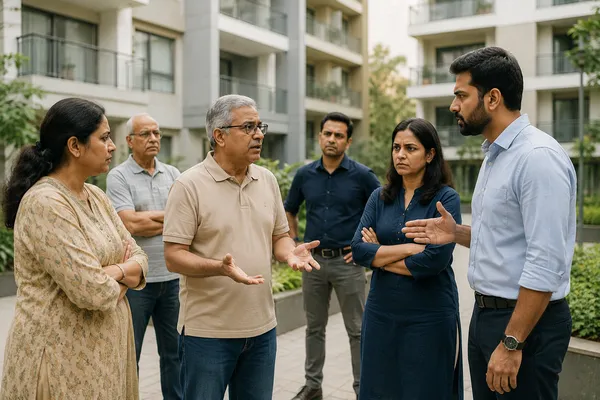
Resolving Boundary and Common Area Disputes in Multi-Family Residential Buildings
Resolving Boundary and Common Area Disputes in Multi-Family Residential Buildings
For Resident Welfare Association (RWA) committee members, few tasks are as challenging as navigating internal friction regarding shared spaces. Whether it is an encroachment on a lobby corridor, a disagreement over assigned parking spots, or the unauthorized use of a rooftop terrace, these issues can rapidly erode community harmony. Effective residential building common area dispute resolution India depends on a structured approach that prioritizes transparency, legal compliance, and consistent enforcement.
The Foundation: Understanding RWA Bylaws and Ownership
The first step in mitigating conflict is ensuring that the community’s governing documents are clear and accessible. Disputes often arise from a misunderstanding of what constitutes a "common area" versus "limited common area." Under most state-specific Apartment Ownership Acts, common areas include land, foundations, hallways, staircases, and community facilities that are not part of an individual unit's deed.
RWA committees should ensure that their bylaws clearly define the usage rules for these spaces. Ambiguity in bylaws regarding temporary storage in hallways or the exclusive use of terrace space is often the root cause of friction. If the bylaws are outdated, the committee must prioritize a formal amendment process to align them with current municipal guidelines and the physical realities of the building. Having a documented, signed copy of these rules available to all residents is the best preventive measure against boundary disputes.
Municipal Guidelines and Regulatory Compliance
While RWA bylaws dictate day-to-day interactions, they cannot override municipal building codes. Committees often face difficulties when a resident claims the right to alter a common area—such as installing a gate or shoe rack—that violates fire safety norms or municipal zoning regulations. In such cases, the committee must look beyond internal rules and cite broader building safety standards.
For example, if a resident encroaches on an emergency exit or obstructs a fire hydrant with private belongings, the RWA is legally obligated to prioritize the safety of the entire building. Relying on municipal directives provides the committee with an objective, neutral authority, which can help depersonalize the conflict. When members realize that a committee’s request is based on municipal compliance rather than individual bias, the likelihood of voluntary resolution increases significantly.
Practical Steps for Effective Mediation
When a dispute between neighbors or between a resident and the committee reaches a stalemate, following a structured mediation process is essential:
Document the Issue: Maintain an objective record of the dispute, including photographs of the encroachment or logs of unauthorized use. Avoid hearsay; rely on evidence.
Direct Communication: Schedule a formal meeting with the involved parties. Sometimes, a resident simply requires clarification on the rules, and a face-to-face conversation can resolve a misunderstanding before it escalates into a legal battle.
Use the Grievance Committee: If your RWA has a sub-committee for grievances, involve them. A third-party internal review adds a layer of impartiality to the process.
Formal Notice: If initial discussions fail, issue a formal letter citing the specific RWA bylaw or municipal code being violated. Always provide a reasonable timeline for rectification.
Mediation: If the dispute remains unresolved, consider involving a professional mediator before resorting to legal notices or litigation, which can be expensive and time-consuming for the community fund.
The Financial and Operational Impact
Boundary disputes are not merely social issues; they have tangible consequences for the building’s operations. Persistent encroachment or unauthorized usage can lead to safety hazards, increased insurance premiums, and reduced property values. Furthermore, managing these disputes takes significant time away from the committee’s core duties, such as infrastructure maintenance and financial oversight. When administrative resources are drained by constant conflict, the general health and professional appeal of the property suffer.
Conclusion
Resolving boundary and common area disputes requires a balance of firm enforcement and clear, communicative leadership. By grounding all actions in the RWA’s bylaws and municipal regulations, committee members can protect the integrity of the property while maintaining community morale. Consistency is the key to preventing future friction and ensuring that the shared environment remains functional and fair for every resident.
Managing the complexities of a multi-family residential building is a significant undertaking that requires expert oversight to ensure long-term value and operational efficiency. If your committee is facing recurring challenges with common area management or needs professional assistance in streamlining your property operations, we are here to help. Contact the team at WWPM India today by visiting our Contact Us page to discuss how our professional property management services can support your community.
About WWPM India
Ready to Build a Back Office That Can Keep Up With Growth?
Your portfolio should not outgrow your operations.
WWPM helps property management companies strengthen the systems behind their portfolios through accounting, bookkeeping, operations support, software expertise, virtual assistance, reporting, and AI-powered automation.
Grow Your Portfolio. Not Your Administrative Burden.
Website: https://wwpm.in/
Email: [email protected]
Phone: +1 (908) 408-2665
