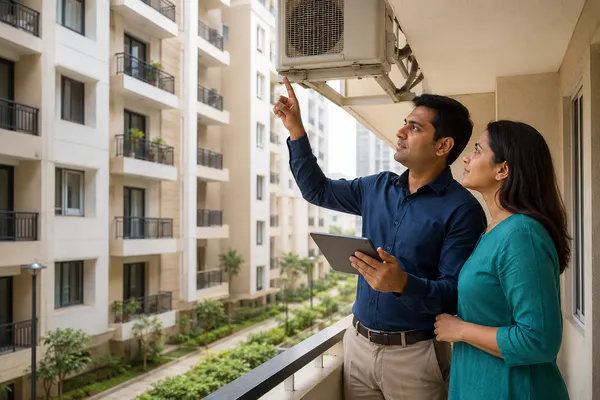
Preventive Maintenance Schedules to Extend the Lifespan of Rental Property Assets
Preventive Maintenance Schedules to Extend the Lifespan of Rental Property Assets
For many property owners, the temptation to adopt a reactive maintenance strategy—fixing things only when they break—is strong. However, in the context of residential leasing, this approach often leads to higher long-term costs, tenant dissatisfaction, and accelerated depreciation of the asset. Implementing a structured rental property preventive maintenance schedule is the most effective way to protect your investment, maintain consistent rental income, and ensure the long-term appreciation of your property.
By shifting from a cycle of emergency repairs to a proactive maintenance calendar, landlords can identify minor issues before they escalate into major, expensive failures. This article outlines the essential seasonal servicing priorities that every landlord should incorporate into their operational strategy.
Establishing a Seasonal Maintenance Calendar
India’s diverse climate, from the intense heat of Bengaluru and Hyderabad to the high humidity and heavy rainfall in Chennai and Kochi, demands a specific approach to property care. A well-rounded maintenance schedule should be divided into seasonal check-ups to address the unique stresses placed on building systems throughout the year.
HVAC Systems: Beyond Basic Filter Cleaning
Air conditioning units are the hardest-working assets in most Indian rental properties. During the peak summer months, these systems undergo significant strain. A professional service should be scheduled twice a year—ideally just before the onset of summer and immediately following the monsoon. Technicians should inspect refrigerant levels, clean condenser coils, and check electrical connections. Neglecting this leads to inefficient cooling, higher electricity bills for tenants, and premature compressor failure, which represents a significant capital expenditure for the landlord.
Plumbing Lines and Water Integrity
Water-related issues are the primary cause of tenant complaints and property damage. An annual inspection of plumbing lines is essential to prevent hidden leaks that can degrade structural integrity over time. Check all faucets, showerheads, and commodes for slow leaks or poor drainage. In coastal cities like Chennai or Kochi, check for signs of salt-induced corrosion on fixtures and pipes. Annual cleaning of overhead and underground water tanks, along with testing the functionality of float valves, ensures a consistent supply and prevents water wastage.
Electrical Panels and Fire Safety
Electrical failures are not just a nuisance; they are a major safety liability. Landlords should task a certified electrician with auditing the distribution board at least once a year. This involves tightening loose terminal connections, checking for burnt wires, and ensuring that Miniature Circuit Breakers (MCBs) and Earth Leakage Circuit Breakers (ELCBs) are functioning correctly. In older properties, identifying outdated wiring is critical to preventing short-circuit fires, which can compromise both the safety of your tenants and your insurance standing.
Exterior Paint and Weatherproofing
The exterior of a property is its first line of defense against the elements. Periodic inspections of the external facade should be conducted every two years. In regions prone to heavy monsoon rains, look for cracks, peeling paint, or signs of dampness on the interior walls. Early detection of dampness allows for timely waterproofing, which is significantly cheaper than undergoing a full structural repair or repainting the entire exterior after significant damage has occurred.
Financial and Operational Implications
Adopting a rental property preventive maintenance schedule has direct financial benefits. It helps landlords predict capital expenditures, allowing for better cash flow management rather than being blindsided by a large repair bill during a vacancy period. Furthermore, well-maintained properties command higher rental values and attract high-quality, long-term tenants who appreciate the reliability of the living space.
Maintaining a detailed log of all maintenance activities serves as a valuable record of the property's upkeep. This documentation is highly beneficial when negotiating lease renewals, as it demonstrates your commitment to providing a high-quality living environment. It also aids in risk management by ensuring that the property remains compliant with safety standards and minimizing the likelihood of tenant-led legal disputes arising from neglected repairs.
Partnering for Professional Maintenance
Executing a comprehensive maintenance program requires time, local vendor coordination, and specialized oversight. Many property owners, particularly those managing their assets remotely or balancing busy professional schedules, find it challenging to stay on top of these recurring tasks. Consistency is the key to success in property maintenance, and professional management support can ensure that no check-up is missed.
If you require assistance in developing a maintenance strategy or managing the ongoing upkeep of your property to ensure it remains in top condition, we are here to help. You can contact WWPM India through our official Contact Us page to learn more about our professional property management services.
About WWPM India
Ready to Build a Back Office That Can Keep Up With Growth?
Your portfolio should not outgrow your operations.
WWPM helps property management companies strengthen the systems behind their portfolios through accounting, bookkeeping, operations support, software expertise, virtual assistance, reporting, and AI-powered automation.
Grow Your Portfolio. Not Your Administrative Burden.
Website: https://wwpm.in/
Email: [email protected]
Phone: +1 (908) 408-2665
