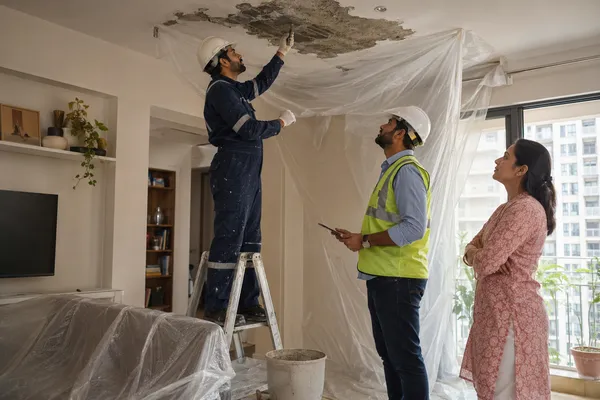
Managing Major Structural Repairs in Tenanted Apartments Without Losing Rent
Managing Major Structural Repairs in Tenanted Apartments Without Losing Rent
For property owners, the discovery of a structural issue—such as seepage in load-bearing walls, foundation cracks, or significant plumbing failures—is a source of immediate stress. When the unit is already occupied by a tenant, this stress is compounded by the fear of losing rental income. Balancing the necessity of immediate building integrity with the ongoing commitment to a lease agreement is a delicate operation. However, with a proactive approach to communication and legal compliance, managing major property repairs in tenanted apartment India scenarios can be achieved without terminating the tenancy or sacrificing your monthly returns.
The Legal Foundation of Landlord-Tenant Repairs
Before initiating any work, it is essential to revisit your rental agreement. In India, most standard lease contracts stipulate that the landlord is responsible for structural repairs, while the tenant handles day-to-day maintenance. If the structural integrity of the building is compromised, you are not only legally obligated to resolve the issue but also potentially liable if the property becomes unsafe for habitation.
Do not attempt to hide major repairs from your tenant. Under the principles of the Model Tenancy Act—which influences many state-specific regulations—landlords must provide notice for entry and repairs. Transparency is your most effective tool for risk management. By clearly documenting the issue and providing a professional assessment from a structural engineer, you demonstrate that the work is necessary to protect the tenant’s own living conditions, rather than a cosmetic upgrade that disrupts their privacy.
Strategic Communication: Negotiating a Coexistence Plan
The primary concern for any tenant during construction is the loss of "quiet enjoyment" of their home. To avoid vacancy or requests for rent abatement, you must engage in a clear, written, and structured communication plan.
Start by providing a detailed timeline of the repairs. Break the project down into phases. If the structural work is confined to a specific area, such as a balcony or a external wall, create a schedule that limits noise and dust to specific hours—typically when the tenant is out of the house. Providing a written assurance regarding the hours of work and the cleanup protocol can significantly lower tenant friction.
If the work is intrusive but temporary, consider offering a nominal, one-time rental credit as a gesture of goodwill. This is often far more cost-effective than the total loss of rent incurred during a vacancy period while searching for a new tenant.
Managing Logistics and Safety
When executing major property repairs in tenanted apartment India projects, safety is paramount. Never compromise the structural stability of the unit while the tenant is present. If the repair requires temporary relocation or poses a direct threat to safety, you must discuss alternative arrangements, such as temporary housing or a rent reduction during the most severe phases of construction.
To minimize the impact, ensure that contractors are vetted for their ability to work in occupied spaces. Request that they use dust sheets, manage debris daily, and secure their equipment. Supervised work is always preferable. Having a representative present during the most invasive phases ensures the contractor adheres to the agreed-upon scope and respects the tenant’s personal property.
Minimizing Financial and Operational Disruption
Efficiency is the best way to protect your rental yield. Delays caused by poor planning lead to extended repair times, which inevitably frustrate tenants. Before the first tool is picked up, ensure all materials are on-site and permits, if required by your RWA or local municipal body, are in order. A compressed work schedule—even if it costs slightly more in labor for expedited hours—is usually a smarter financial decision than an extended period of repairs that leads to a tenant giving notice.
If you find the logistical burden of managing contractors, RWA coordination, and tenant relations overwhelming, outsourcing to professionals can prevent errors that lead to legal disputes or damaged relationships with your renters.
Conclusion
Major structural repairs do not have to result in a vacant apartment or a legal headache. By maintaining open lines of communication, adhering to the terms of your lease, and prioritizing the safety and comfort of your tenants throughout the process, you can protect the long-term value of your asset while keeping your rental income stream intact.
Managing the complexities of property maintenance and tenant relations requires experience and a steady hand. If you require professional assistance in overseeing repairs, coordinating with your tenants, or ensuring your property remains compliant with local regulations, reach out to our team. Please contact WWPM India through our Contact Us page to discuss how our property management services can support your ownership goals.
About WWPM India
Ready to Build a Back Office That Can Keep Up With Growth?
Your portfolio should not outgrow your operations.
WWPM helps property management companies strengthen the systems behind their portfolios through accounting, bookkeeping, operations support, software expertise, virtual assistance, reporting, and AI-powered automation.
Grow Your Portfolio. Not Your Administrative Burden.
Website: https://wwpm.in/
Email: [email protected]
Phone: +1 (908) 408-2665
